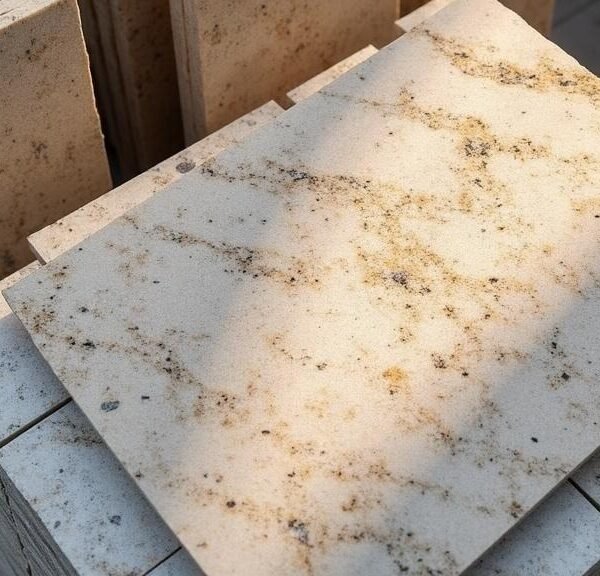
Carpet and hardwood offer distinct sensorial and practical cues for a space, each shaping feel, acoustics, and traffic patterns. Carpet provides soft underfoot warmth and subtle texture, while hardwood delivers linear grain and lasting resilience. Maintenance diverges: vacuum and stain care versus refinishing and sealing. Costs skew early versus long-term value, and installation choices affect layout and furniture. The trade-off rests on comfort against durability, and the next details reveal how these factors play out in real rooms.
How to Choose Between Carpet and Hardwood Flooring
When choosing between carpet and hardwood flooring, homeowners weigh aesthetics, durability, comfort, and maintenance requirements to determine which surface best suits each space and lifestyle. The comparison focuses on comfort durability, maintenance aesthetics: carpet offers cozy warmth and softer underfoot feel, while hardwood delivers longevity and refinished resilience. Visual texture, cleaning routines, and environmental factors guide informed choices without sacrificing personal freedom in design.
Pros and Cons: Comfort, Durability, and Maintenance
Carpet and hardwood flooring present distinct profiles in comfort, durability, and maintenance, with each surface offering specific advantages and trade-offs.
The narrative compares tactile warmth and underfoot feel to structural resilience, detailing how fibers compress over time and boards resist denting.
It evaluates cleaning cycles, stain protocols, and wear patterns, clarifying comfort durability, maintenance durability in practical, quantified terms.
Style, Allergens, and Living Spaces: Matching Floors to Your Home
Across residential interiors, carpet’s soft texture and hardwood’s linear grain steer the perception of space, guiding decisions about atmosphere, air quality, and use patterns.
The style impact hinges on texture, color, and scale, shaping room rhythm, relation to light, and furniture placement.
Allergen considerations favor carpet with dense fibers or hardwood paired with sealed finishes, supporting cleaner, adaptable living spaces.
Long-Term Value and Installation Realities for Carpet vs Hardwood
From the prior discussion of aesthetics, allergens, and space planning, the focus shifts to how durability, maintenance costs, and installation implications shape long-term outcomes for carpet and hardwood.
The analysis contrasts longevity, refinishing cycles, and replacement timelines, highlighting long term value and installation realities.
Carpet favors lower upfront expense but harsher wear, while hardwood presents enduring appeal and higher, variable maintenance, guiding freedom in material choices.
Frequently Asked Questions
How Do Price Trends Differ Regionally for Carpet Vs Hardwood?
Regional price trends show carpet costs varying by climate and construction density, with southern and midwestern markets often lower than coastal hubs, while hardwood prices trend higher regionally due to timber supply and skilled installation demands.
Which Flooring Type Supports Radiant Floor Heating Better?
Metaphor illuminates: hardwood offers superior radiant heating compatibility due to stable expansion and better heat transfer, while carpet complicates performance. Radiant heating compatibility favors hardwood; insulating underlayment considerations remain crucial for efficiency and even distribution.
Can Carpet and Hardwood Be Combined in One Home Effectively?
Yes, carpet and hardwood can be combined effectively in a single home. The approach uses deliberate flooring mix, zoning with low-pailachromic transitions, and carpet hardware strategies to balance comfort, acoustics, and aesthetics while preserving radiant compatibility and visual flow.
See also: Crypto Infrastructure and Economic Innovation
What Are Noise-Level Differences Between Carpet and Hardwood Rooms?
A common statistic notes carpet can dampen noise by up to 20–40% compared with hardwood. Noise level differs: carpet absorbs sound; hardwood reflects. Installation challenges arise with underlayment needs and impact sounds, while precise floating or nail-down methods influence acoustics and comfort.
Do Health and Allergy Impacts Vary by Carpet Fiber Type?
Yes, health benefits and allergy triggers vary by carpet fiber type; materials influence irritants, dust retention, and VOCs. Durability and stain resistance differ, shaping maintenance. Visualized differences illuminate how comfort, freedom, and clean practicality intersect for wearers.
Conclusion
Carpet and hardwood offer distinct paths to a room’s feel, each with its own strengths. Carpet delivers soft warmth and cushioned comfort, while hardwood promises enduring longevity and refined texture. From a design perspective, color, grain, and spatial rhythm shape perception as much as wear patterns do. In the end, you get what you invest in; as the saying goes, “buy once, cry once”—choose the option that aligns with lifestyle, maintenance tolerance, and long-term value.