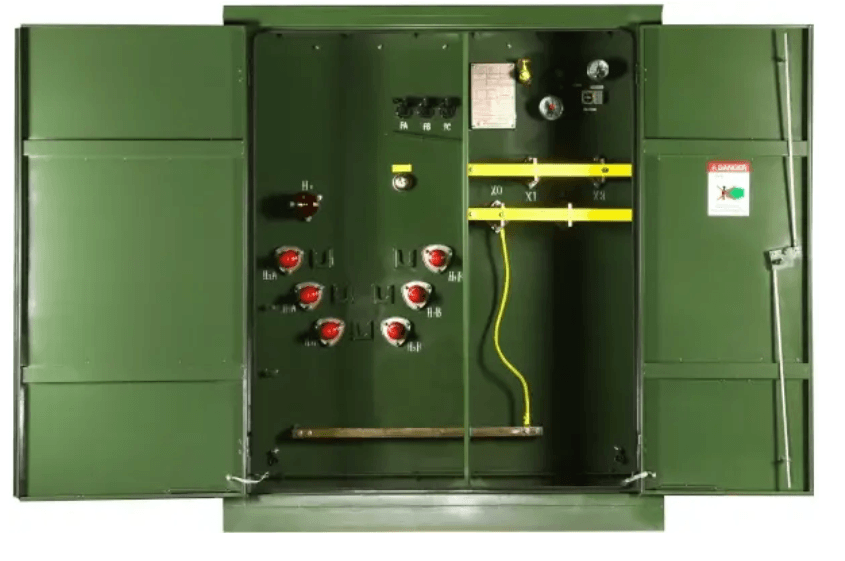
Modern commercial infrastructure depends on stable and efficient electrical systems to support daily operations. From office buildings and hospitals to manufacturing plants and shopping centers, businesses require consistent power distribution to keep equipment running safely and efficiently. A three phase pad mounted transformer plays an important role in delivering reliable electricity to commercial facilities by helping manage high electrical loads while maintaining system stability.
As commercial buildings become more technologically advanced, the demand for efficient power distribution continues to grow. Three-phase transformers are designed to handle these increasing energy needs, making them a key component in modern infrastructure planning. Their ability to support large-scale electrical systems makes them essential for industries that rely on heavy machinery, climate control systems, data processing, and continuous operations.
Understanding Three-Phase Transformers
A three-phase transformer is an electrical device used to transfer power between circuits using three alternating currents that operate at the same frequency but are separated by phase angles. This setup allows power to be distributed more evenly and efficiently compared to single-phase systems.
Three-phase transformers are commonly used in commercial and industrial environments because they can handle higher electrical loads with greater efficiency. They are designed to support large buildings and facilities that require continuous and dependable electricity.
These transformers are available in several configurations, including:
- Pad mounted transformers
- Dry type transformers
- Oil filled transformers
- Underground distribution transformers
Each type serves specific infrastructure needs depending on the environment and power demands of the facility.
Why Commercial Infrastructure Requires Three-Phase Power
Commercial buildings use significantly more electricity than residential properties. Modern infrastructure includes elevators, HVAC systems, large lighting networks, industrial machinery, servers, refrigeration units, and security systems that require stable power distribution.
Three-phase power systems offer several advantages for these applications:
- Improved energy efficiency
- Better load balancing
- Reduced voltage fluctuations
- Lower energy losses
- Support for heavy equipment
Unlike single-phase systems, three-phase power delivers electricity continuously rather than in pulses. This creates smoother operation for motors and large equipment, which is essential for commercial operations.
For example, manufacturing facilities depend on steady electrical flow to operate production machinery. Hospitals require uninterrupted power for life-saving medical equipment. Data centers rely on stable electricity to protect servers and sensitive systems from disruptions.
Without efficient transformer systems, these facilities would face operational challenges and increased energy costs.
Supporting Large Electrical Loads
One of the most important functions of three-phase transformers is their ability to support large electrical demands. Commercial facilities often operate multiple high-powered systems simultaneously, creating substantial energy loads throughout the day.
Three-phase transformers distribute electricity evenly across all phases, preventing overload conditions and maintaining system reliability. This balanced distribution helps protect electrical equipment from damage caused by uneven power flow.
Large commercial properties such as airports, shopping malls, and industrial warehouses rely heavily on transformers to manage their electrical infrastructure. As buildings expand and add more equipment, transformers help maintain stable energy delivery without compromising performance.
This capability is particularly important in industries where downtime can result in significant financial losses.
Improving Energy Efficiency
Energy efficiency has become a major priority in modern commercial infrastructure. Businesses are constantly searching for ways to reduce energy consumption while maintaining operational performance.
Three-phase transformers contribute to energy efficiency in several ways. Their design minimizes transmission losses during power distribution, allowing more electricity to reach the intended equipment. This efficient transfer reduces wasted energy and helps lower operational costs.
In addition, three-phase systems allow electrical motors to operate more smoothly and efficiently. Equipment connected to balanced power systems experiences less vibration and mechanical stress, which can improve overall energy performance.
Benefits of improved transformer efficiency include:
- Lower utility expenses
- Reduced heat generation
- Improved equipment lifespan
- Better operational reliability
- Reduced environmental impact
As sustainability becomes increasingly important, efficient transformer systems support environmentally responsible infrastructure development.
Enhancing Reliability in Commercial Operations
Commercial infrastructure requires dependable electrical systems to avoid interruptions that could impact productivity or safety. Three-phase transformers are designed for long-term reliability, making them suitable for demanding environments.
Their robust construction allows them to operate under heavy loads for extended periods. Many modern transformers include advanced cooling systems and protective components that help maintain stable operation even during periods of high demand.
Reliable transformer performance is essential in facilities such as:
Hospitals
Medical facilities require uninterrupted power for diagnostic machines, surgical equipment, patient monitoring systems, and emergency operations.
Data Centers
Data centers rely on stable electricity to protect servers, networking systems, and stored information from outages or voltage irregularities.
Manufacturing Plants
Industrial facilities depend on continuous electrical supply to maintain production lines and automated machinery.
Commercial Buildings
Office towers and retail centers require dependable power for lighting, elevators, security systems, and climate control equipment.
By supporting stable energy distribution, three-phase transformers help businesses avoid costly downtime and equipment failures.
Supporting Modern Urban Development
Urban development continues to expand rapidly as cities grow and commercial infrastructure becomes more complex. New office buildings, transportation systems, entertainment venues, and mixed-use developments all require advanced electrical distribution systems.
Three-phase transformers support urban growth by providing scalable and efficient power solutions. Their compact designs allow them to be integrated into both indoor and outdoor environments while supporting high-capacity electrical networks.
Pad mounted transformers are especially useful in urban settings because they can be installed safely at ground level without requiring extensive overhead infrastructure. This makes them suitable for commercial districts, residential developments, and public spaces where appearance and safety are important considerations.
Modern urban projects often require electrical systems that can accommodate future expansion. Three-phase transformers provide the flexibility needed to support evolving infrastructure demands.
Integration With Renewable Energy Systems
Renewable energy adoption is increasing across commercial sectors as businesses seek cleaner and more sustainable power sources. Solar panels, wind energy systems, and battery storage solutions are becoming more common in commercial infrastructure projects.
Three-phase transformers play a major role in integrating renewable energy into existing power grids. They help regulate voltage levels and ensure that electricity generated from renewable sources can be distributed safely and efficiently.
For example, commercial solar installations often generate electricity that must be converted and distributed throughout the building. Transformers help manage this process while maintaining consistent electrical performance.
This integration supports:
- Energy diversification
- Reduced dependence on traditional power sources
- Improved grid stability
- Enhanced sustainability goals
As renewable energy systems continue to expand, transformer technology will remain essential for maintaining reliable commercial power infrastructure.
See also: Technology and the Future of Food Production
Safety Benefits of Three-Phase Transformers
Electrical safety is a critical consideration in commercial environments. Three-phase transformers are designed with several protective features that help reduce electrical risks and improve overall system safety.
These safety measures may include:
- Overload protection
- Temperature monitoring
- Short circuit protection
- Insulated enclosures
- Ground fault protection
By managing electrical loads effectively, transformers help prevent overheating and equipment damage. Properly designed transformer systems also reduce the likelihood of voltage instability that could harm sensitive electronics.
Pad mounted transformers offer additional safety advantages because their enclosed designs limit unauthorized access to electrical components. This is especially important in public commercial areas where safety regulations must be carefully followed.
Reducing Maintenance Requirements
Commercial infrastructure operators often prioritize systems that require minimal maintenance while delivering consistent performance. Three-phase transformers are built for durability and long service life, helping reduce maintenance demands over time.
Routine transformer maintenance typically involves:
- Inspecting insulation systems
- Monitoring temperature levels
- Checking oil or cooling systems
- Testing electrical connections
- Cleaning ventilation areas
Modern transformer technology has improved diagnostic capabilities, allowing maintenance teams to identify potential issues before major failures occur. Predictive maintenance strategies help businesses reduce repair costs and avoid unexpected downtime.
Durable transformer systems contribute to more efficient facility management and long-term operational stability.
Adapting to Technological Advancements
Commercial infrastructure is evolving rapidly as smart technologies become more integrated into daily operations. Automation systems, electric vehicle charging stations, advanced security systems, and intelligent building management platforms all increase electrical demand.
Three-phase transformers help support these technological advancements by providing the power capacity needed for modern equipment and digital infrastructure.
Smart buildings often rely on interconnected electrical systems that require stable voltage and efficient load management. Transformers ensure that these technologies can operate reliably without disrupting overall building performance.
As commercial infrastructure continues to modernize, transformer systems will remain central to supporting innovation and future growth.
The Future of Commercial Power Distribution
The future of commercial infrastructure will likely involve increased electrification, greater energy efficiency, and expanded use of renewable energy systems. Three-phase transformers will continue to play an essential role in meeting these evolving demands.
Advancements in transformer technology are already improving:
- Energy efficiency
- Monitoring capabilities
- Compact design
- Environmental sustainability
- System reliability
Digital monitoring systems now allow operators to track transformer performance in real time, improving maintenance planning and operational efficiency.
As businesses continue to expand their energy requirements, reliable transformer systems will remain fundamental to commercial infrastructure development.
Conclusion
Three-phase transformers are essential components of modern commercial infrastructure because they provide efficient, reliable, and scalable power distribution. Their ability to support large electrical loads, improve energy efficiency, and maintain stable operation makes them critical for commercial buildings, industrial facilities, and urban developments.
From supporting renewable energy integration to enabling advanced technologies, these transformers help businesses maintain dependable electrical systems in increasingly complex environments. As infrastructure demands continue to grow, three-phase transformers will remain a key part of building safe, efficient, and future-ready commercial power networks.