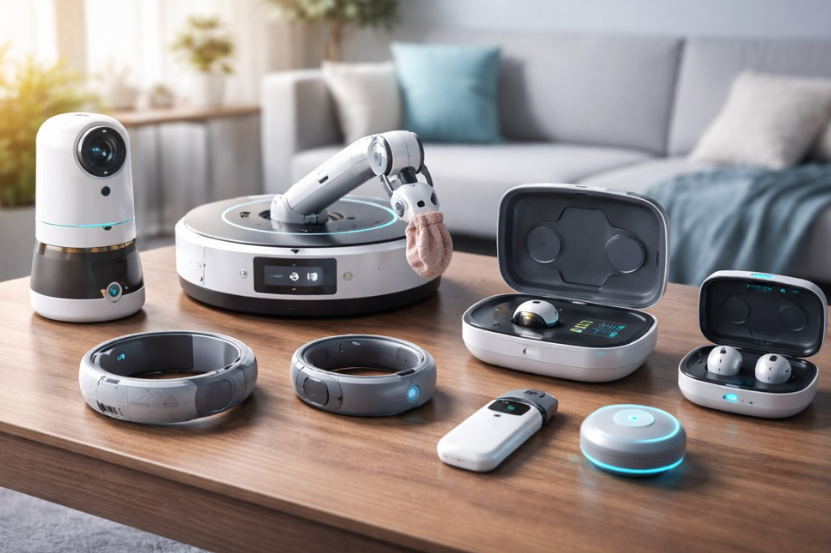
Artificial intelligence is no longer confined to labs or complex software systemsit’s now embedded in the devices we use every day. From smartphones and smart speakers to wearables and home automation systems, AI gadgets are rapidly transforming how we live, work, and interact with technology.
As innovation accelerates, consumers can expect a new generation of AI-powered devices that are smarter, more intuitive, and deeply personalized. But what exactly does the future hold? Let’s explore the trends, technologies, and real-world impacts shaping the next wave of AI gadgets.
The Evolution of AI in Everyday Devices
Over the past decade, AI has evolved from basic automation to advanced machine learning systems capable of understanding context, behavior, and even emotions. Early smart devices followed simple commands, but today’s AI gadgets can learn from user habits and adapt accordingly.
For example:
- Smartphones now predict what you want to type or search
- Smart home devices adjust lighting and temperature automatically
- Wearables track not just activity, but overall health patterns
This shift from reactive to proactive technology is a key indicator of where AI gadgets are heading.
Hyper-Personalization: Devices That Know You Better
One of the most exciting developments in AI gadgets is hyper-personalization. Future devices won’t just respond to commandsthey’ll anticipate needs before you even express them.
Imagine:
- A smartwatch that detects stress and suggests breathing exercises
- A smart fridge that recommends meals based on your diet and inventory
- Earbuds that adjust sound based on your environment and mood
These experiences are made possible by AI models that continuously learn from user behavior, preferences, and routines.
Smarter Homes with Seamless Integration
Smart homes are becoming more intelligent and interconnected. Instead of controlling devices individually, future AI systems will manage entire ecosystems.
Key advancements include:
- Unified control systems that connect all smart devices
- Voice assistants that understand natural, conversational language
- Predictive automation that adjusts settings based on daily routines
In the near future, your home could prepare your morning coffee, adjust lighting, and play your favorite musicall without a single command.
AI Wearables: Beyond Fitness Tracking
Wearable technology is moving far beyond counting steps and calories. AI-powered wearables are becoming powerful health and productivity tools.
Upcoming features may include:
- Real-time health monitoring with early disease detection
- Personalized fitness coaching based on biometric data
- Cognitive assistance for focus and productivity
These devices could play a significant role in preventive healthcare, helping users make better lifestyle decisions.
The Rise of Context-Aware Gadgets
Future AI gadgets will be context-aware, meaning they can understand not just what you’re doing, but why you’re doing it.
For instance:
- Your phone might silence notifications during important meetings automatically
- Smart glasses could display relevant information based on where you’re looking
- AI assistants could prioritize tasks based on urgency and deadlines
In the middle of this growing ecosystem, tools like a calendar maker can seamlessly integrate with AI systems to manage schedules more intelligently, automatically adjusting plans based on real-time changes and personal priorities.
Enhanced Human-AI Interaction
The way we interact with devices is also evolving. Touchscreens and voice commands are just the beginningfuture interfaces will be more natural and immersive.
Emerging interaction methods include:
- Gesture control
- Eye tracking
- Brain-computer interfaces (still in early stages)
These technologies aim to make communication with devices feel more like interacting with another human, rather than operating a machine.
AI in Portable and Everyday Gadgets
AI is being integrated into smaller, more portable devices, making advanced technology accessible anytime, anywhere.
Examples include:
- AI-powered translation earbuds for real-time language conversion
- Smart pens that digitize and organize handwritten notes
- Compact AI assistants that function independently of smartphones
This trend reflects a shift toward convenience and mobility, where powerful AI capabilities are always within reach.
Challenges and Considerations
While the future of AI gadgets is promising, there are important challenges to address:
1. Privacy and Data Security
AI devices rely heavily on personal data, raising concerns about how that data is stored and used.
2. Cost and Accessibility
Advanced AI gadgets can be expensive, potentially limiting access for some consumers.
3. Over-Reliance on Technology
As devices become more intelligent, there’s a risk of users becoming too dependent on them.
Addressing these challenges will be crucial for ensuring that AI technology benefits everyone.
See also: Technology and the Future of Digital Workplaces
What Consumers Should Expect Next
Looking ahead, consumers can expect:
- More intuitive devices that require minimal input
- Greater integration across different gadgets and platforms
- Improved affordability as technology becomes more widespread
- Stronger AI capabilities with faster processing and better accuracy
AI gadgets will continue to blur the line between digital and physical experiences, making everyday life more efficient and connected.
Conclusion
The future of AI gadgets is not just about smarter devicesit’s about creating a more seamless and personalized relationship between humans and technology. As AI continues to evolve, the gadgets we use will become more than tools; they will become intelligent companions that enhance every aspect of our lives.
For consumers, this means greater convenience, improved well-being, and a more connected world. The next generation of AI gadgets is already on the horizonand it promises to redefine what technology can do for us.